
Alpha Tonic and Testosterone Support: What You Need to Know
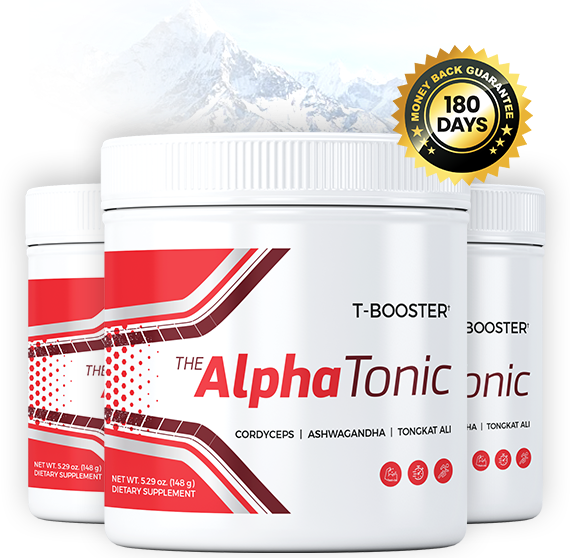
Testosterone comes up in almost every conversation about men's wellness supplements, and Alpha Tonic is no exception — it's marketed as a "T-Booster." Before deciding whether that matters to you, it's worth understanding what testosterone actually does, why it naturally shifts, and what a nutritional formula like this can realistically be expected to do.
What Testosterone Actually Does
Testosterone is a hormone that plays a role in muscle development, bone health, reproductive function and several other bodily processes. Levels naturally vary from person to person and shift with age, sleep quality, stress, body composition and underlying health conditions. It's a normal, expected part of aging for levels to gradually decline starting around the 30s, continuing gradually from there.
Why Men Look Into Testosterone Support
Men often start paying attention to testosterone when they notice changes in energy, motivation, exercise recovery or general vitality. It's worth being direct here, though: feeling tired or less motivated doesn't automatically mean testosterone is low. Plenty of other factors — poor sleep, high stress, a demanding schedule, nutritional gaps — can produce similar symptoms. If symptoms are persistent and concerning, the right next step is a conversation with a healthcare professional, not guessing based on a symptom checklist.
Where Alpha Tonic Fits In
Alpha Tonic includes three ingredients most commonly associated with testosterone-related wellness formulas: boron, Tongkat Ali and fenugreek.
- Boron — a trace mineral studied for its possible relationship with bone health and hormone metabolism. See the full Boron profile.
- Tongkat Ali — a Southeast Asian root with a long history of traditional use in men's wellness, studied for a possible relationship with stress and reproductive wellness. See the Tongkat Ali profile.
- Fenugreek — an herb whose seed extracts have been studied for several applications, including general men's health. See the Fenugreek profile.
These ingredients are included as nutritional support within a broader formula — not as an isolated, concentrated testosterone treatment. For the complete ingredient list and how everything fits together, see our full ingredients breakdown.
What Alpha Tonic Is Not
This needs to be said plainly: Alpha Tonic is a dietary supplement, not a prescription hormone therapy, and it cannot guarantee a specific increase in testosterone levels. No dietary supplement can make that promise responsibly. If you have lab-confirmed low testosterone, that's a medical conversation involving your doctor, not a decision to make based on a powder's marketing copy.
Supporting Testosterone-Related Wellness Beyond Supplements
Since testosterone is influenced by so many lifestyle factors, a supplement works best as one piece of a bigger picture. Some of the most well-established, non-supplement factors include:
- Sleep quality — testosterone production is closely tied to sleep cycles
- Resistance training — regular strength training is associated with healthier hormone profiles
- Body composition — maintaining a healthy weight supports overall hormonal balance
- Stress management — chronically elevated stress hormones can work against testosterone
Alpha Tonic is formulated to complement habits like these, not replace them. See our benefits article for how the formula's other ingredient groups support energy and stamina alongside this testosterone-focused layer.
Setting Realistic Expectations
If you're trying Alpha Tonic specifically for testosterone-related support, go in with realistic expectations: consistent daily use, paired with decent sleep and activity levels, is how a formula like this is designed to be used — not a one-time fix, and not a substitute for medical care if you have a diagnosed condition. The how Alpha Tonic works article goes deeper into the formula's layered approach and why consistency matters.
Common Misconceptions Worth Clearing Up
A few myths come up often enough to address directly. First, low energy alone isn't proof of low testosterone — it's one of many possible causes, and only a blood test can actually confirm hormone levels. Second, "natural" testosterone support supplements are not interchangeable with prescription testosterone replacement therapy (TRT); they work through entirely different mechanisms and regulatory pathways, and shouldn't be confused with each other. Third, more supplementation doesn't necessarily mean more benefit — taking extra zinc or boron beyond what your body needs doesn't translate into proportionally higher testosterone, and excessive intake of some minerals can cause other issues.
Questions to Ask Before Trying Any T-Support Formula
Whether it's Alpha Tonic or any other product in this category, a few questions are worth asking before you buy: Does the label disclose actual ingredient amounts? Are the claims realistic, or do they promise guaranteed, dramatic results? Is there a reasonable refund policy if it doesn't work for you? Alpha Tonic's label discloses its ingredient amounts on the Supplement Facts panel, and it's backed by a 180-day guarantee — see our official product overview for the specifics.
Bottom Line
Testosterone naturally shifts with age and lifestyle, and Alpha Tonic includes ingredients commonly associated with testosterone-related nutritional support — but it's not a guaranteed fix, and it works best alongside good sleep, training and stress habits, not instead of them. For the full official formula, pricing and guarantee, see the Alpha Tonic official product page.
Ready to Try Alpha Tonic?
Check current pricing and the 180-day guarantee before you order.
Order Alpha Tonic NowFrequently Asked Questions
No. Alpha Tonic includes ingredients studied for a possible relationship with testosterone-related wellness, but no dietary supplement can guarantee a specific hormonal outcome.
It's considered normal for testosterone to begin a gradual decline starting around the 30s, continuing gradually with age — this varies significantly by individual.
If you have persistent, concerning symptoms, speaking with a healthcare professional and considering testing is a reasonable first step before relying on any supplement.
Sleep quality, resistance training, maintaining a healthy body composition and managing stress are among the most well-established lifestyle factors that interact with testosterone.